 EN
EN  ID
ID MY
MY SG
SG


Have you tried implementing SEO but still haven’t seen results? Is your website ranking not improving, and your traffic not increasing either?
Many people still think SEO is just about writing articles and stuffing keywords into them. Maybe you are one of them. In reality, there are many ranking factors considered by search engines. One of them is link juice in SEO. What is it? Let’s take a closer look.
What is Link Juice in SEO?
Link juice (also known as link value) in SEO is the value that one website passes to another through links.
You can think of it like a voting system. A website is considered more trustworthy when it receives many “votes” from other websites.
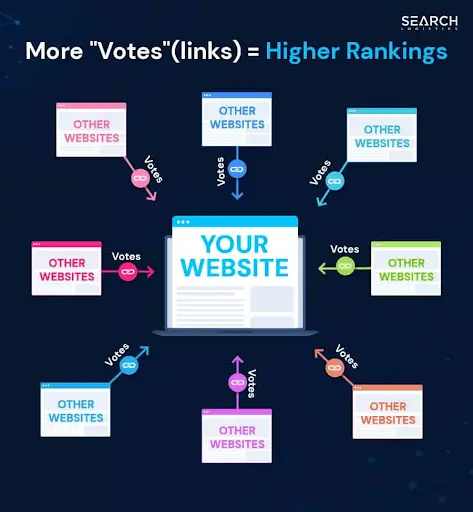
When a website is considered trustworthy, it becomes easier for it to rank higher on search engine results pages. As a result, it gets more traffic, and the chances of generating revenue also increase.
That is why maximizing link juice is one of the important tasks in running website marketing.
How Link Juice Works
Although it may seem simple, link juice in SEO actually works in a fairly complex way. This is designed to prevent manipulation or black hat SEO practices.
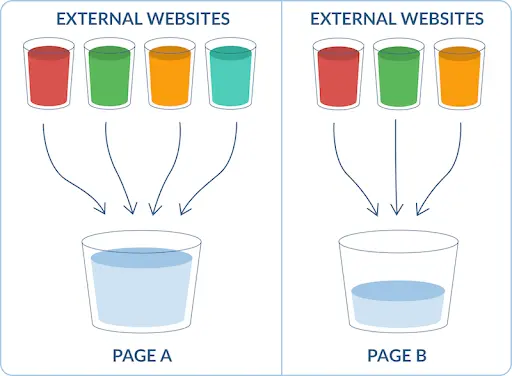
In general, the more links a website receives, the greater the amount of link juice it can gain.
Domain authority and the exclusivity of the links can also affect the weight of the link juice a website receives. Websites with high authority naturally pass stronger link juice compared to those with lower authority.
On the other hand, link juice is also considered more valuable when it comes from websites that provide exclusive links to a particular site.
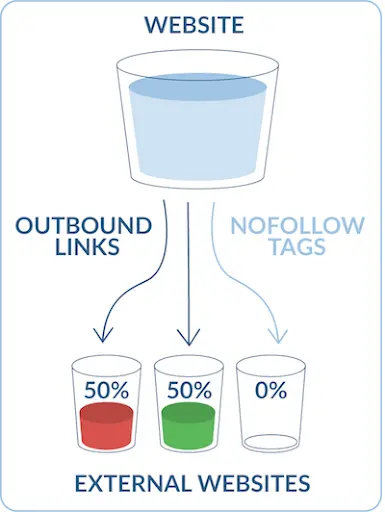
Interestingly, the concept of link juice may not apply when a website uses the nofollow configuration. This setting is intentionally created so that search engine bots do not follow the embedded link. As a result, search engines do not consider the websites to be connected through that link.
This configuration is essentially used to prevent link juice leakage, especially if your website already has high authority.
In addition, the nofollow link setting also helps protect your website from spam links, especially those commonly found in comment sections.
How to Get Link Juice
There are several ways you can attract link value to your website. Here’s the explanation:
1. Create high-quality content
High-quality content usually attracts link juice naturally. This is because such content is often used as a reference for articles and news coverage.

That is why many companies publish research reports or offer free e-books. Through these, they can naturally earn organic link juice.
2. Collaboration / Outreach
Sometimes, you cannot rely solely on high-quality content to gain link value, especially if your website is still new.
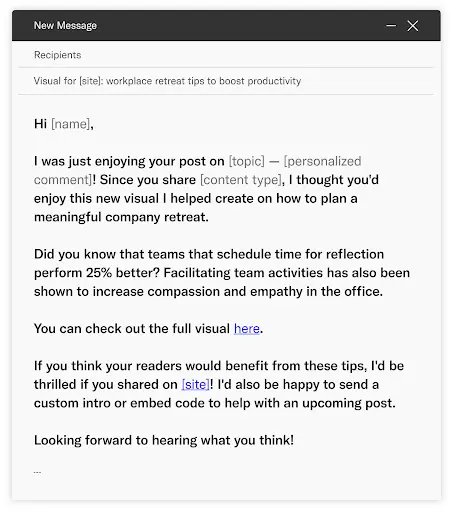
That is why there is an alternative approach, namely collaboration or outreach. This method is done by directly contacting website or blog owners and asking them to include a link to your website.
3. Internal Linking
In addition to link value from other websites, you can also maximize link juice from your own website. This is done by interlinking the pages within your site.
The logic is that well-connected pages strengthen your website’s authority, as search engines consider it as comprehensively covering related topics.
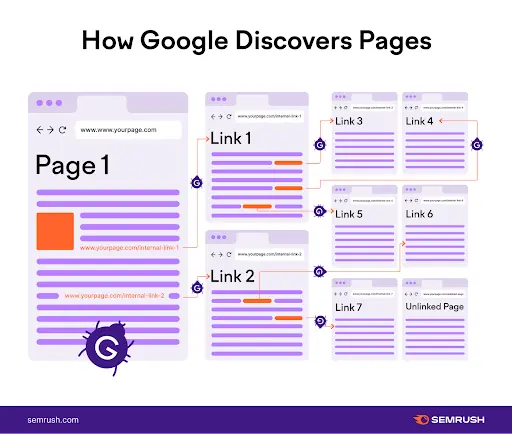
That is why you also need to be strategic when executing internal linking. Make sure the connected pages are truly within the same topic. Don’t forget to link high-search-volume content to pages with lower search volume.
4. Link Reclamation
This method is done by fixing 404 error links and redirecting them to the appropriate content alternative. In this way, link juice does not flow to useless pages. It is important to note that many people automatically redirect 404 errors to the homepage. However, this is something you should avoid, as it can negatively impact your website’s conversion rate.
5. Hreflang
This method is suitable for websites that have multiple language versions. The hreflang tag tells search engines that different versions of a website are actually connected and belong to the same entity. Search engines use this tag to determine which version of the website is most relevant for users, based on their location and browser language settings.
Want to Get Link Juice More Easily?
Generating link juice for your website takes time and effort, especially if your website is still new.
Don’t worry seedbacklink is here to support you in building link juice for your website. With a network of 20,000+ websites and blogs, you can easily find high-authority link opportunities from the sites you choose.
No need to worry about quality either, as seedbacklink has been trusted by over 750 clients, including major media outlets in Indonesia.