 EN
EN  ID
ID MY
MY SG
SG
No matter how you approach it, a brand reputations cannot be built overnight. If you’ve been in the business world for a while, you already know that it takes time and significant effort to build a positive image in the eyes of customers.
That’s why online reputation management is essential, whether your business is a startup or already operating on a multinational scale.
Interested in learning more? Let’s dive into this article.
What is Online Reputation Management?
Online reputation management is a series of processes carried out to maintain a positive impression of your business in the eyes of customers.
In general, it involves three main activities:
(1) providing important information through the right channels;
(2) auditing information to ensure its accuracy;
(3) responding to customer comments and feedback.
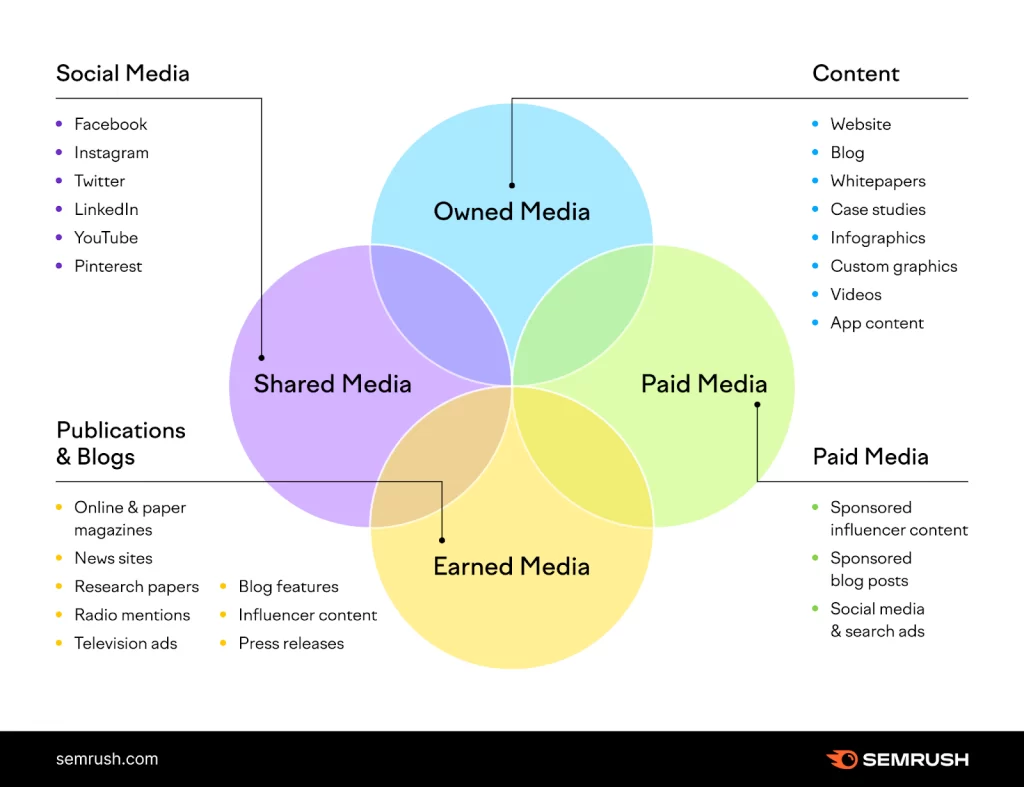
Since reputation can be shaped from many sources, the scope of reputation management is quite broad, especially in the context of online media. It’s no surprise that large companies invest significant budgets to build and maintain their reputation on social media, news portals, online forums, and their own websites.
Online Reputation Management Cases
In theory, the importance of online reputation management is undeniable. But theory alone isn’t enough, right? Let’s take a look at some real-life cases where reputation management plays a crucial role.
The BSI Ransomware Case
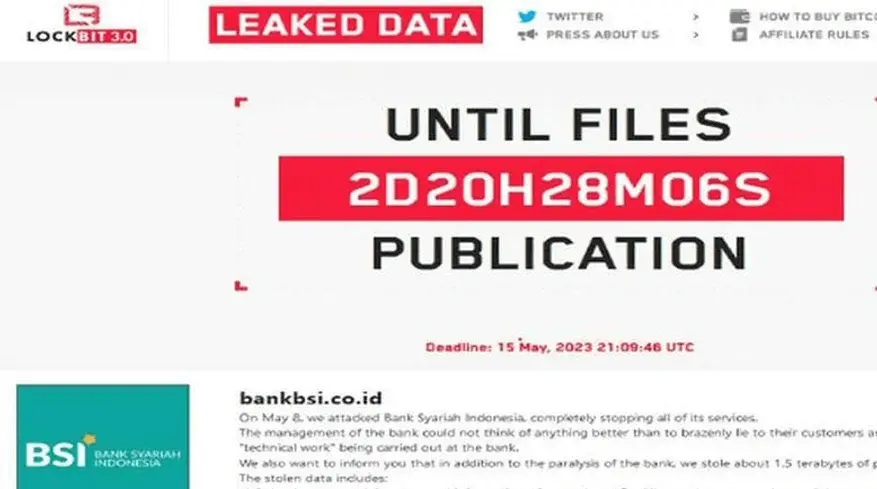
Around mid-May 2023, the online world was shaken by a hacking incident involving Bank Syariah Indonesia carried out by LockBit. This caused millions of customers to lose access to banking services.
In addition, the attackers claimed they would leak customer data if BSI did not pay a ransom. Long story short, no agreement was reached, and the data was reportedly exposed by the perpetrators. It also took around two weeks for customers to be able to carry out transactions normally again.
This incident caused the reputation of the country’s only national Islamic bank to drop drastically. Various social media platforms and news outlets were flooded with negative comments from customers.
Nestlé Environmental Scandal
In 2010, Nestlé faced a scandal involving Greenpeace.
The international NGO released a YouTube video criticizing one of Nestlé’s brands for using environmentally unfriendly suppliers. As a result, many endemic animals from Indonesia had their habitats threatened.
In response, Nestlé instead requested YouTube to take down Greenpeace’s video. Unfortunately, this decision backfired, more people became aware of the issue and increasingly criticized Nestlé’s actions.
How to Implement Online Reputation Management
Here are the steps you can take to ensure a positive brand reputation:
1. Conduct a Brand Audit
Review all your branding materials and content across various online channels, starting from your website, blog, social media, online forums, to third-party platforms. Make sure everything contains up-to-date and accurate information.
Also, identify if there is any content that creates a negative impression of your brand. If so, immediately develop a strategy to respond to it.
2. Monitor Brand Mentions
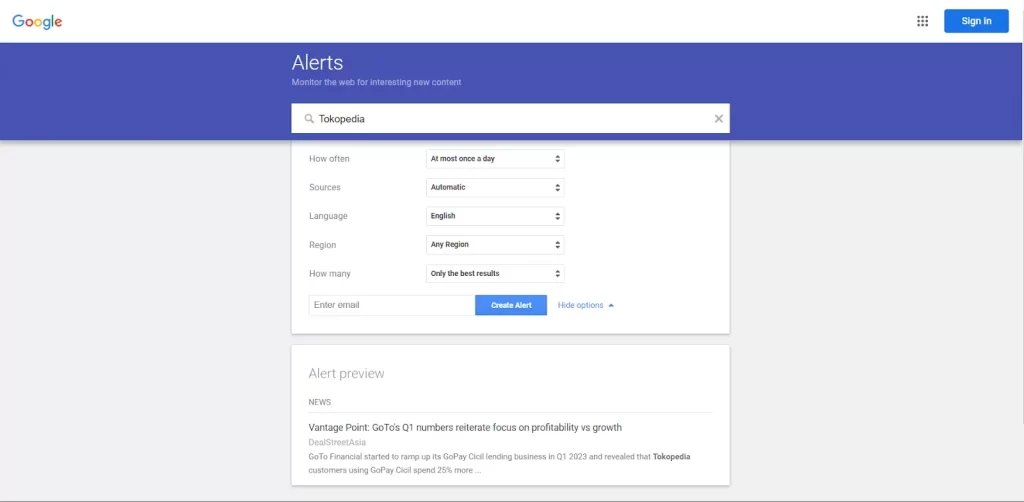
To respond quickly to any content related to your brand, make sure you use a brand mention tool like Google Alerts. This way, you don’t have to spend time manually checking multiple channels.
3. Respond to Negative Reviews
Did you know? Around 60% of consumers say they won’t buy from a business with negative reviews.
However, that doesn’t mean it’s the end when you receive bad feedback. You can still protect your business by responding to those reviews.
Show customers that their feedback matters and that you value it. If possible, offer compensation to maintain their trust and encourage them to continue using your services.
4. Implement an SEO Strategy
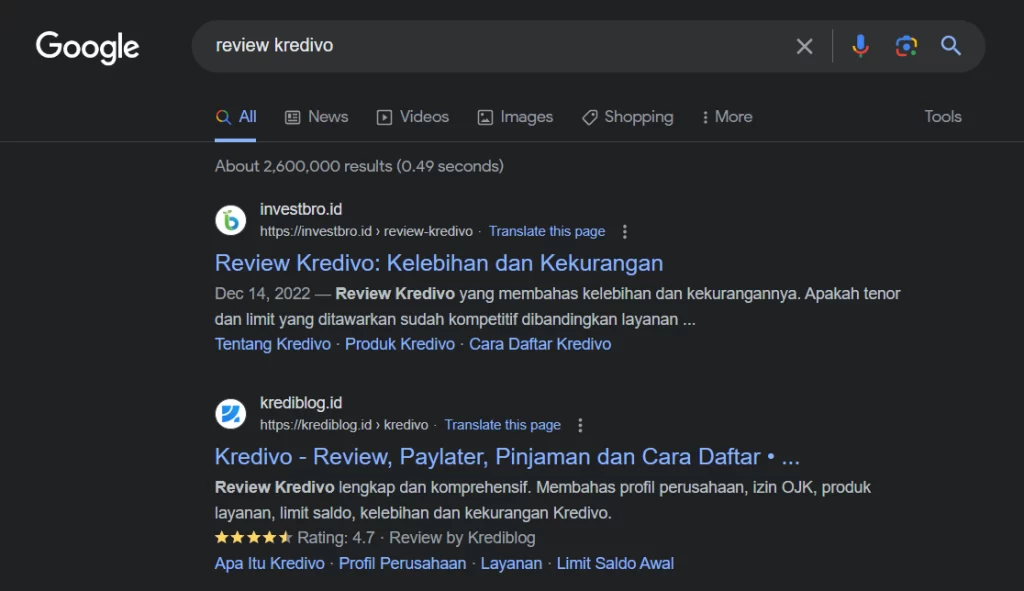
This method may seem unrelated at first. However, SEO is a strategy to ensure that keywords related to your brand maintain a positive connotation.
For example, you can make sure that keywords related to your product reviews are filled with positive testimonials, making it easier to convince potential customers.
5. Public Relations
Public relations is the most common way to build a brand’s reputation. It can be done in various ways—such as organizing community events, distributing press releases, creating guest posts, and more.
6. Encourage Customers to Write Reviews
Around 85% of people check online reviews before making a purchase. That’s why you should encourage your customers to leave reviews on available platforms.
With these reviews, your business appears more credible and trustworthy, not just an unreliable or unknown brand.
7. Showcase Positive Testimonials
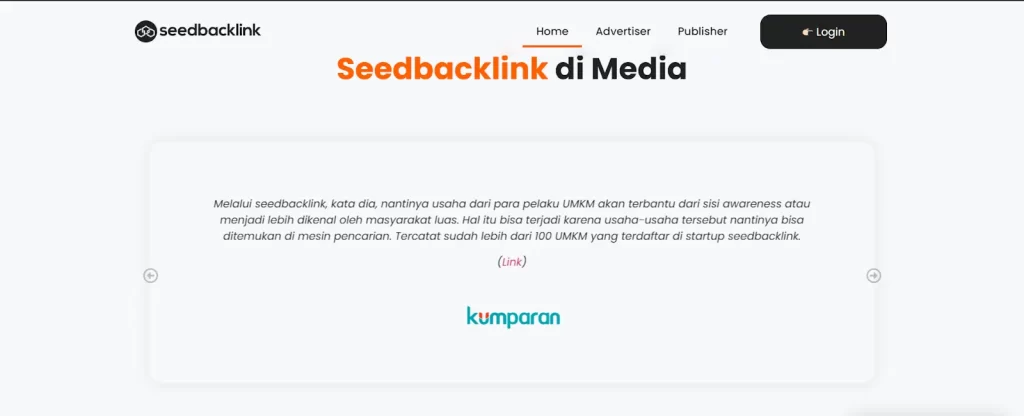 Positive testimonials especially from well-known organizations should ideally be displayed on your website’s homepage, as done by seedbacklink. If you already have enough positive testimonials, turn them into promotional assets. You can do this by placing them in strategic locations such as your website’s landing page, promotional slideshows, pinned tweets, and more. You can even run ads featuring those testimonials.
Ready to Implement Online Reputation Management?
Maintaining an online reputation isn’t as complicated as it seems, right? You just need consistency and the right channels to make it work.
If you’re interested in building your reputation through media coverage, consider using services like seedbacklink. With this platform, you can distribute positive news to strengthen your brand’s reputation across well-known media outlets.
The good news is, you can choose the media outlets you prefer and it only takes about 1–3 days for your article to be published. Interested in giving it a try?