 EN
EN  ID
ID
Have you ever watched a long product promotion and wondered, “What are they actually selling?”
Well, confusing promotional material usually lacks one crucial element: the key message.
Here, you’ll learn what a key message is, why it matters in marketing, and how to create one. Let’s dive in!
What is a Key Message?
A key message is the core message about a brand, product, or service that a business communicates to its target audience. It contains the essential value of a brand that you want potential customers to remember.
Why is a Key Message Important?
Because business competition today is extremely intense. Thousands of new businesses emerge every month, and your potential customers always have alternatives when making a purchase.
That’s why having a clear and memorable promotional message is crucial.
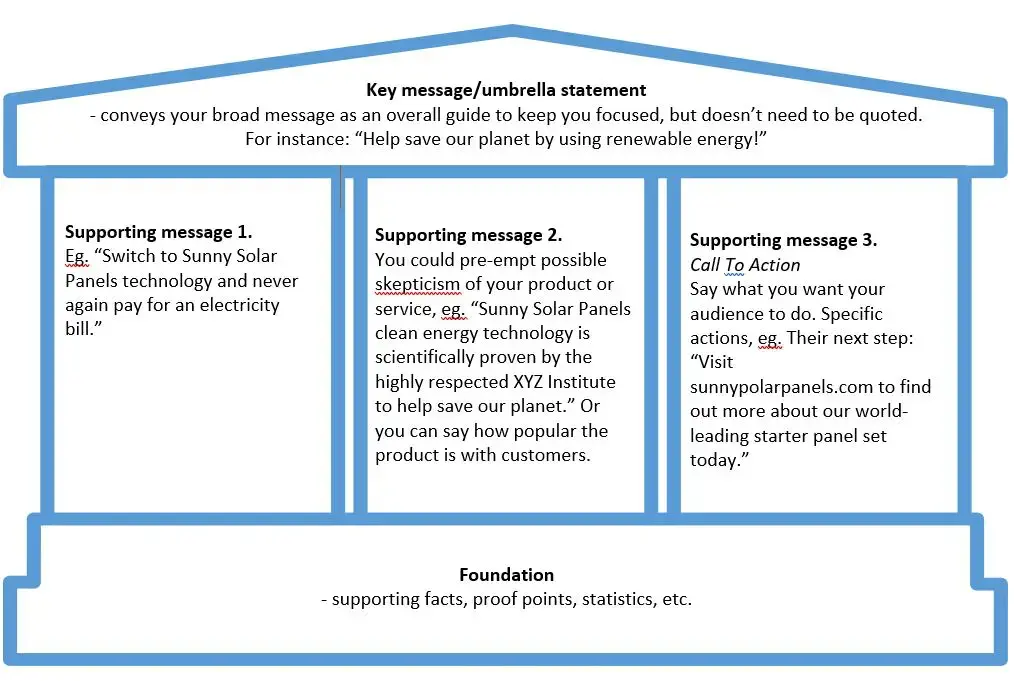
That’s why a business can have multiple key messages depending on its target market and the products it offers. This approach allows businesses to communicate in a more personal and relatable way with their customers an essential factor in building trust and brand loyalty.
Characteristics of a Good Key Message
A strong key message typically has the following characteristics:
- Concise: focuses on a specific value or aspect of the brand
- Memorable: stands out from competitors and is easy to recall
- Simple: clear and easy to understand
- Specific: highlights what makes the brand different
- Repeatable: easy to say, share, and talk about
- Engaging: triggers emotional and intellectual responses from the audience
Beyond these characteristics, there is also a specific framework for crafting key messages called the 4 Forces of Change by The Rewired Group. This framework helps you create key messages that effectively capture your audience’s attention.
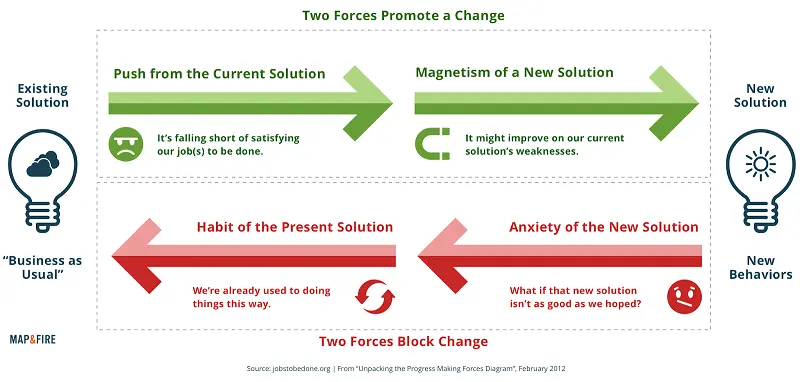
The Four Forces of Change helps you craft key messages by convincing customers of the benefits of your product. At the same time, it addresses the concerns and potential issues that customers may have about your product.In addition, this framework helps you convince consumers why your product is the best choice, while also addressing any doubts they may have.
- Push from the Current Solution: emphasize why the current solution is inconvenient or unsatisfactory for consumers.
- Magnetism of a New Solution: highlight your product’s benefits from the perspective of features, value, and more.
- Anxiety of the New Solution: explain how your product works and reduce customer concerns or fears.
- Habit of the Present Solution: show how your product can easily fit into and improve existing customer habits.
Examples of Key Messages and How to Create Them
To help you develop the right key message, let’s look at some examples and how to create compelling ones.
1. HiLo
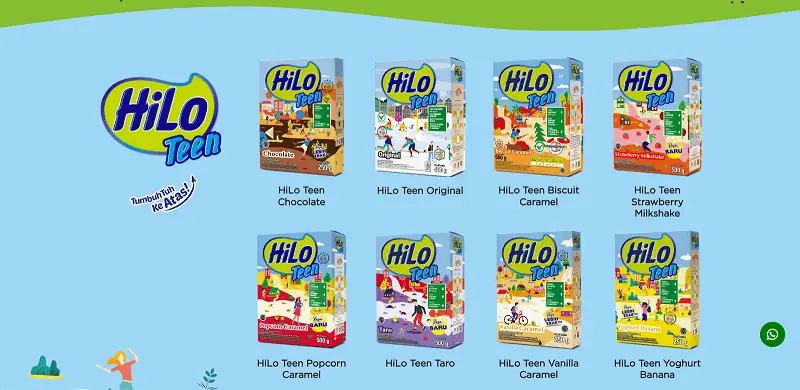
The HiLo Teen product specifically uses the key message “Tumbuh Tuh ke Atas” to differentiate its product effects from other milk products in the market.You are definitely familiar with this milk brand. With the tagline “Tumbuh Tuh ke Atas,” HiLo uses a key message that encourages consumers to rethink the milk products available in the market.
Although many agree that milk consumption is important and healthy, not many pay attention to the composition of powdered milk products on the market. Many of them use sugar or artificial sweeteners as a main ingredient.
This is what leads milk consumption to be associated with weight gain, diabetes, and even obesity among young people.
From there, HiLo’s key message highlights how its product is different from other mass-produced milk brands. It is also clear that this brand’s key message is simple, memorable, and easy to repeat.
2. Rinso
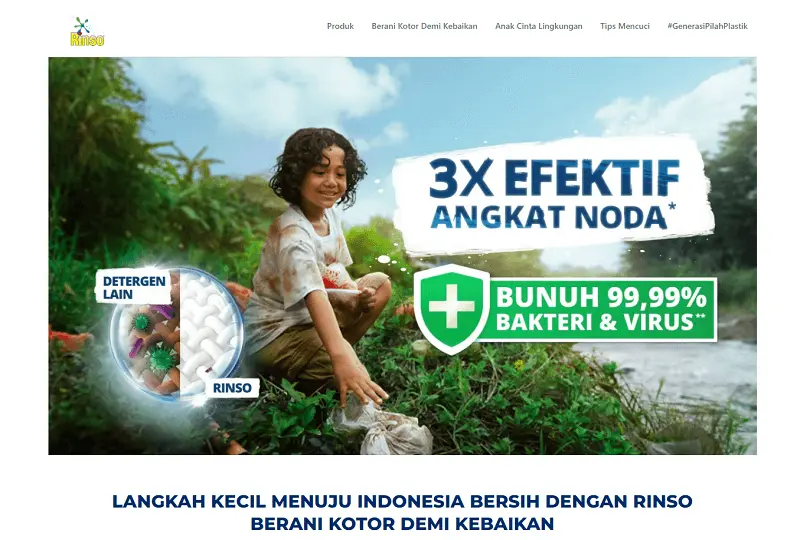 Rinso uses scientific evidence to support its key message, “Dirt is Good” (in Indonesian: “Berani Kotor itu Baik”), which is communicated to its target market, primarily mothers.“Berani Kotor itu Baik” is a detergent brand’s key message that has been used in Indonesia for decades. This message is specifically targeted at mothers with young children who are in their active play phase.
Children often play outdoors and get their clothes dirty something that can be frustrating for parents because stains are difficult to remove.
From the perspective of the 4 Forces of Change framework, Rinso relies on the magnetism of a new solution. In this case, the brand highlights its product advantages, such as being 3x more effective at removing stains and killing 99.99% of bacteria and viruses.
3. Traveloka

Traveloka can be considered one of the pioneers of online ticket booking platforms in Indonesia. To maintain its presence, the brand needs to ensure that the name “Traveloka” stays top-of-mind for customers.
That’s why associating the brand with everyday activities is a smart key message strategy. For example, during the pandemic: “#StayHealthy first, Traveloka later.” During the Eid holiday season: “Traveloka first, Eid later.” And many other variations depending on the situation and trends.
Ready to Create a Key Message for Your Brand Promotion?
Now you understand the essentials of key messaging. Hopefully, this article helps you design the best key message for your brand promotion.
Besides creating a strong key message, don’t forget to choose the right channels to communicate it. This ensures your message spreads more efficiently and reaches the right audience whether through media publications, blogs, or other channels beyond SEO such as social media and paid performance campaigns.